Our preschool
Welcome to Moorak Preschool
About our preschool
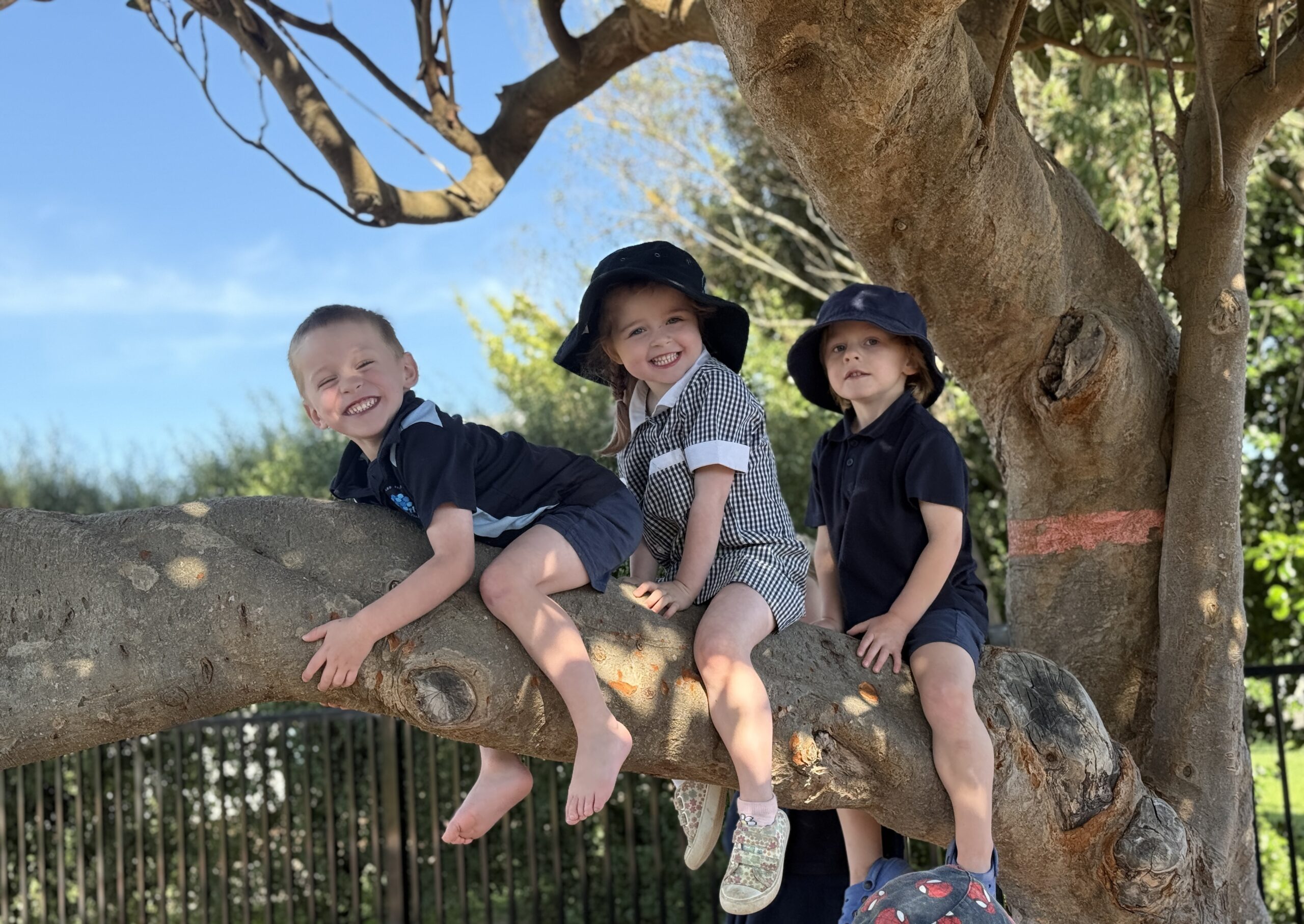
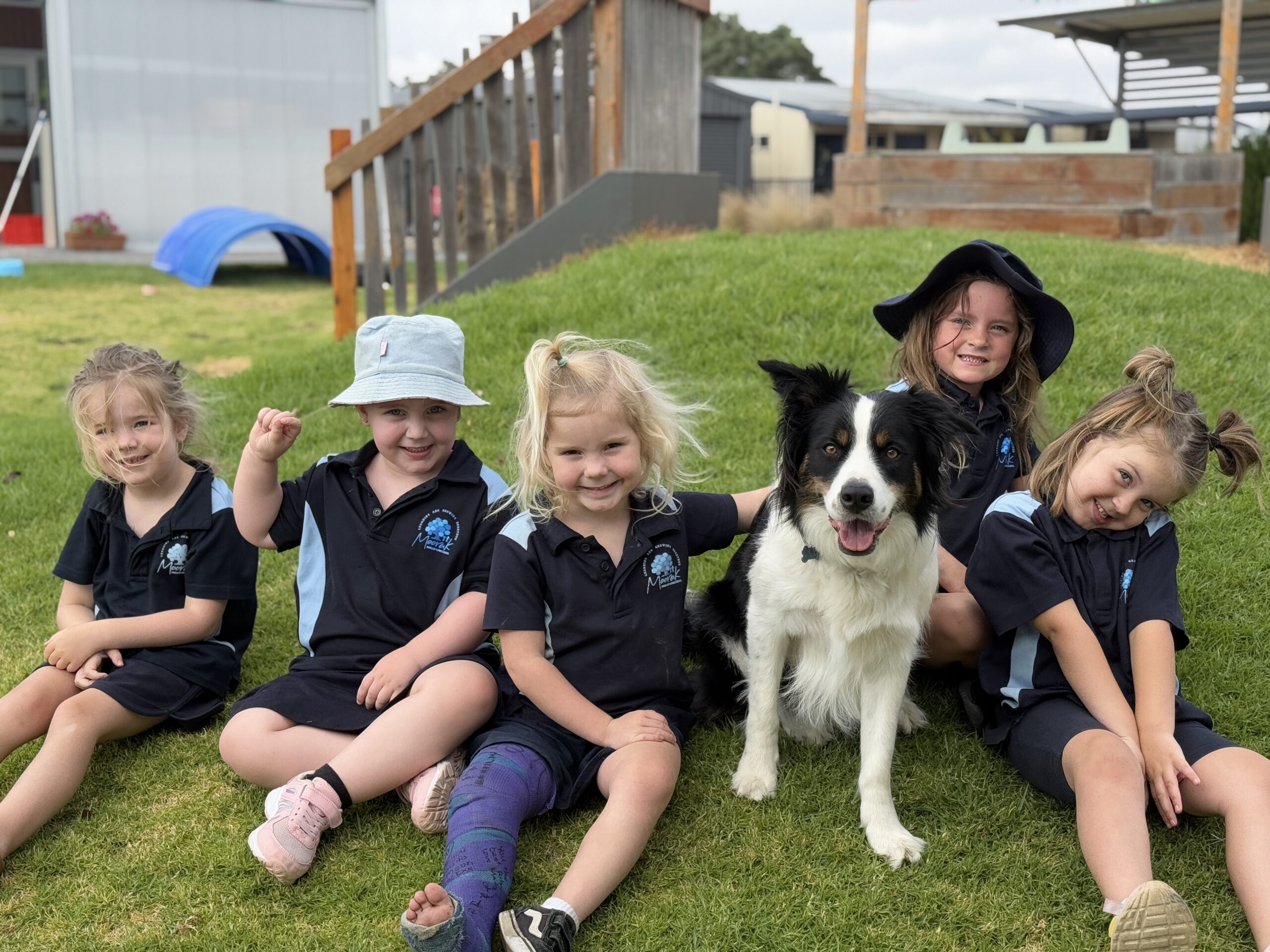
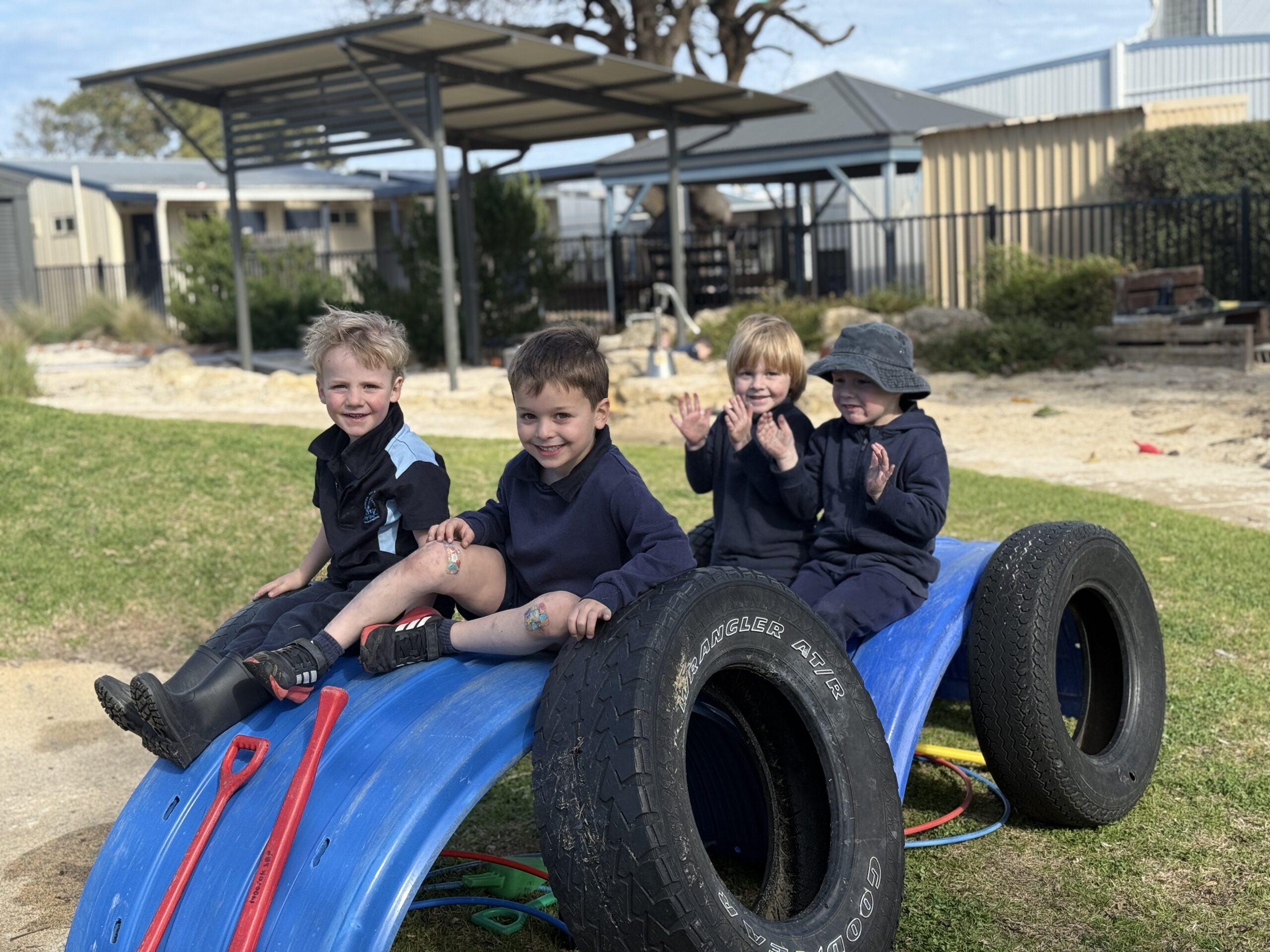
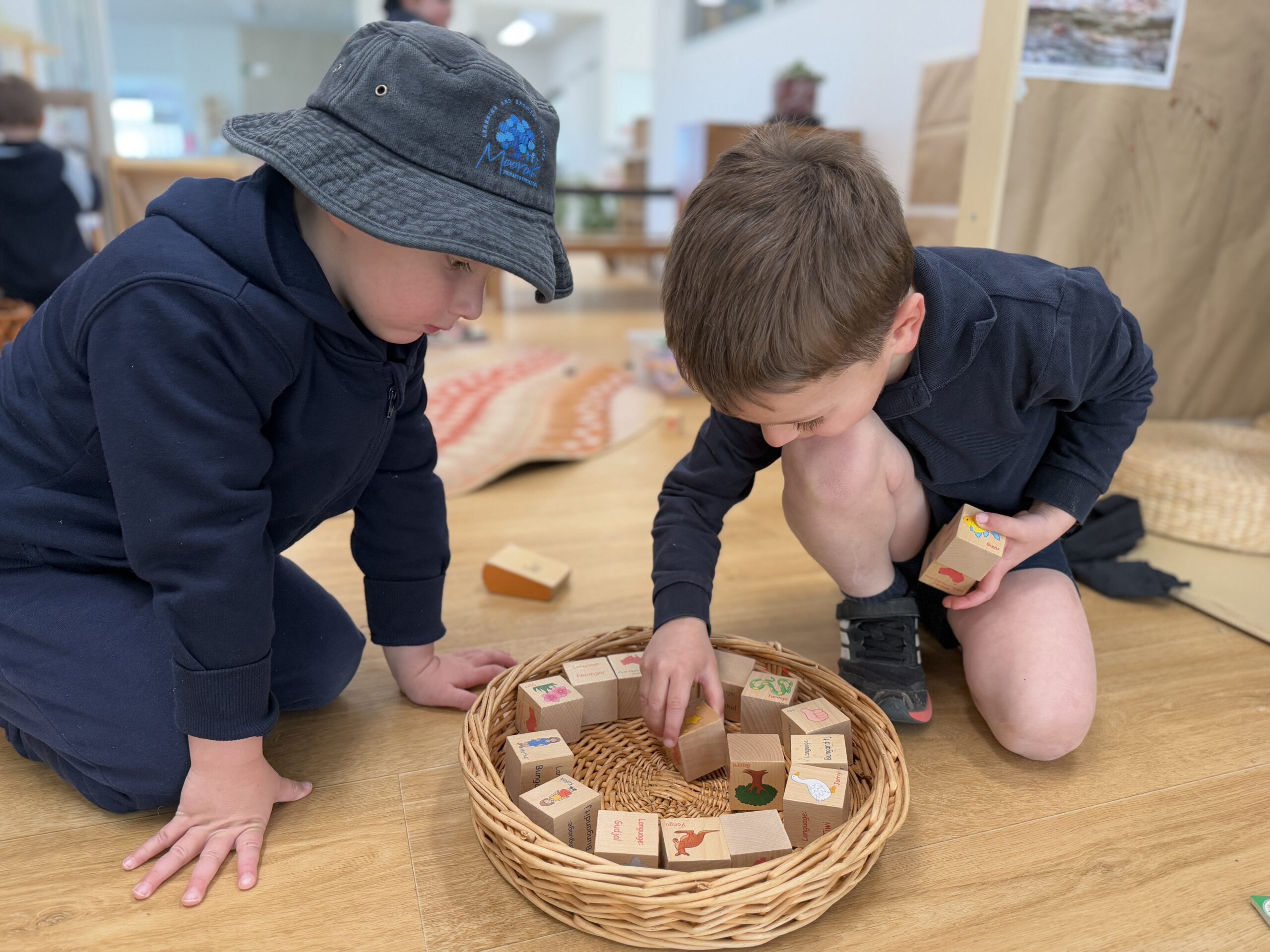
Moorak Preschool is a vibrant and nurturing learning environment situated within Moorak Primary School. We deliver a high-quality, play-based early childhood program designed to support each child’s social, emotional, physical, and intellectual development. Our experienced and caring educators are dedicated to building strong relationships with children and families, fostering a love of learning that lasts a lifetime.
Preschool days and times
We offer a part-time preschool program for children in the year before they start school. Children can access 15 hours of quality preschool each week.
Session days
- Monday and Tuesday (odd weeks of term)
- Monday, Tuesday and Wednesday (even weeks of term)
Session times
- 9.00 am to 3.00 pm
Our sessions align with the South Australian school term calendar.
Meet our educators
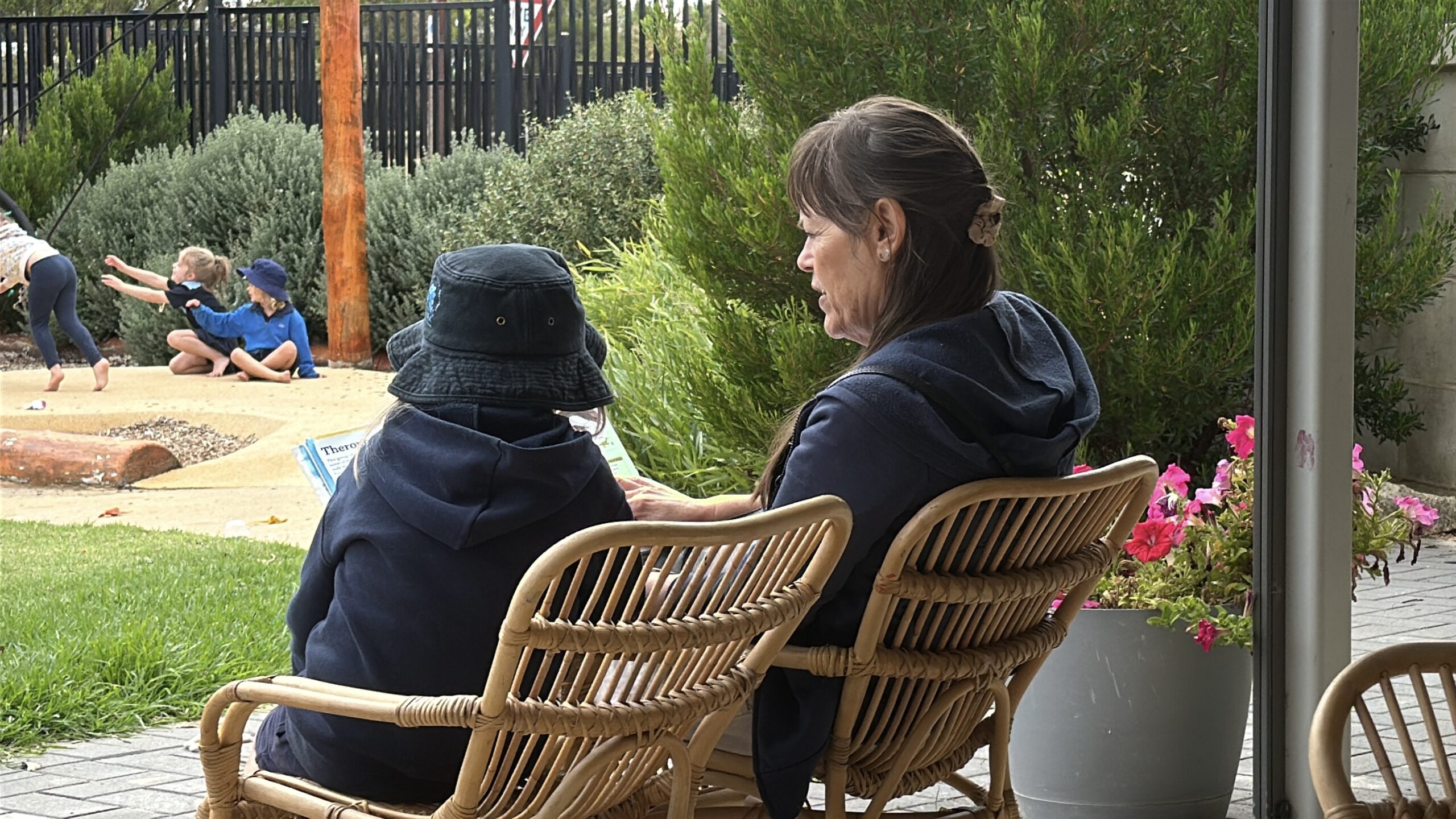
Our qualified early childhood educators bring warmth, creativity, and extensive knowledge to our preschool community.
We work in partnership with families to ensure each child feels confident, valued, and connected.
Our educators:
- Emma Hayward – Principal and Nominated Supervisor
- Lauren Baudinette – Preschool Leader and Educational Leader
- Jesse Beavis – Early Childhood Educator and Playgroup Coordinator
- Keelie Lindner – Early Childhood Educator
- Jorja Lawson – Early Childhood Educator
- Mary Nunn – Early Childhood Educator
Our philosophy
At Moorak Preschool, we are committed to creating a vibrant, inclusive, and supportive learning community where every child can thrive. We foster strong, respectful partnerships with families, children, educators, and the wider community, nurturing a profound sense of belonging and connectedness.
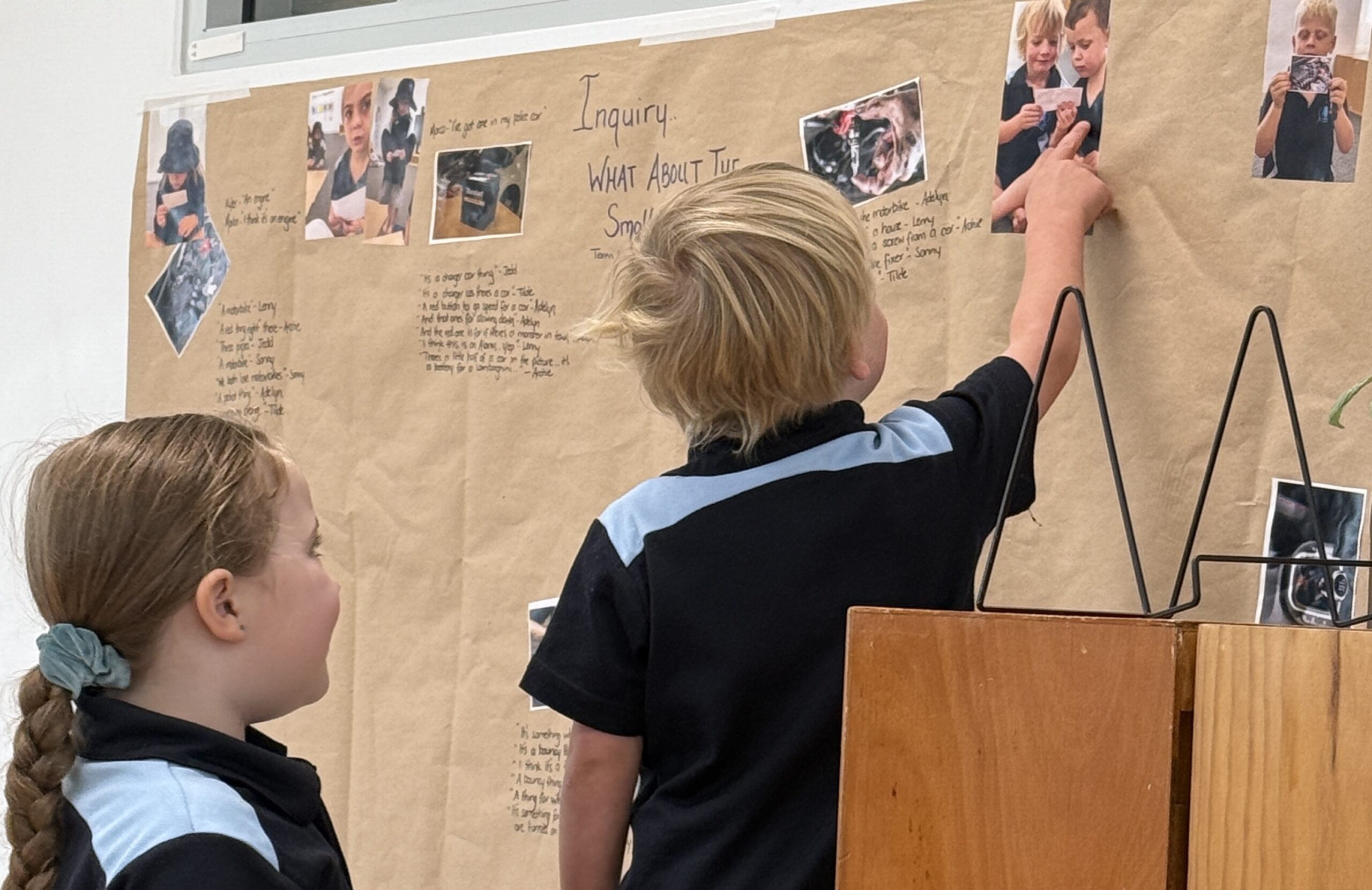
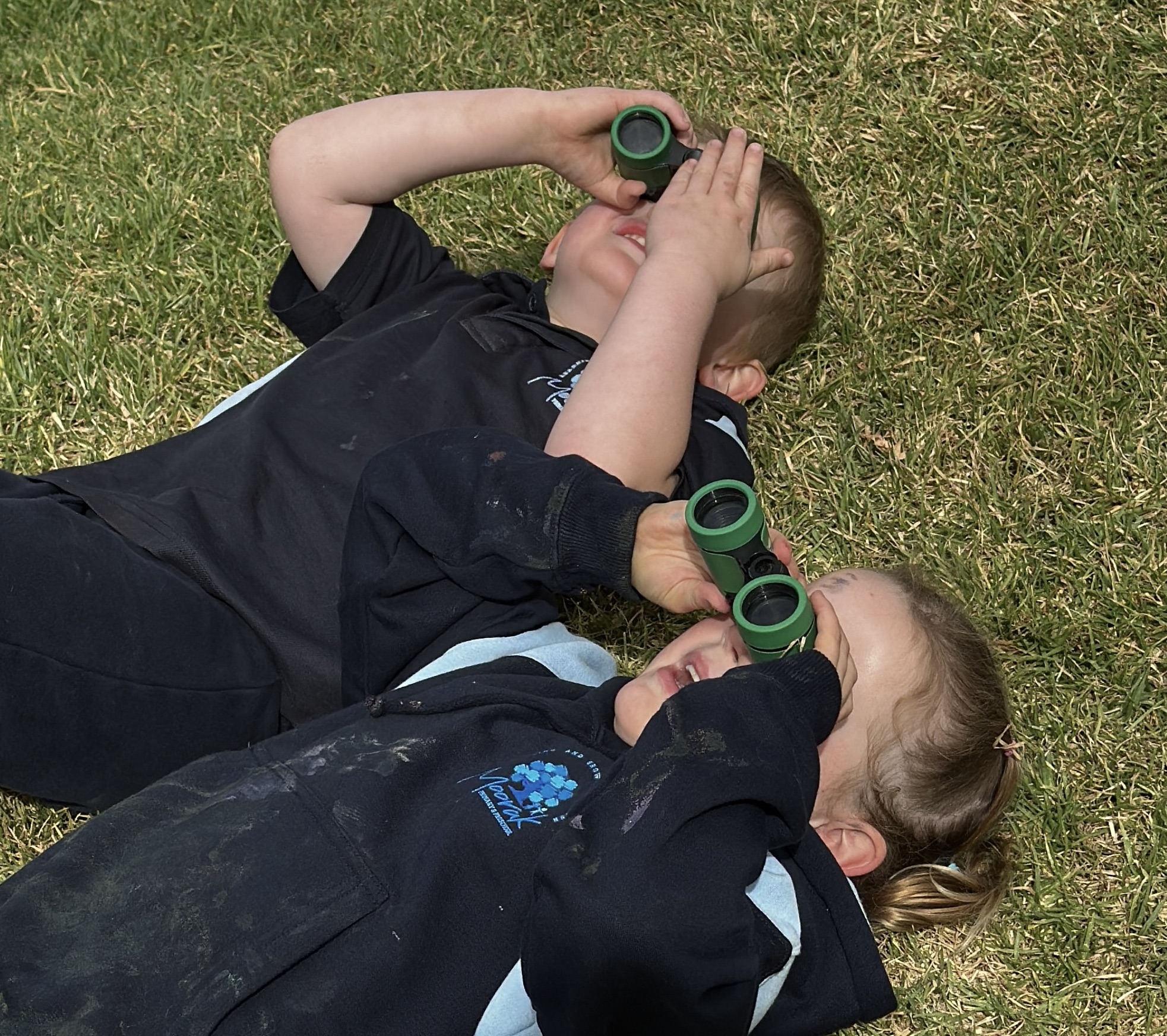
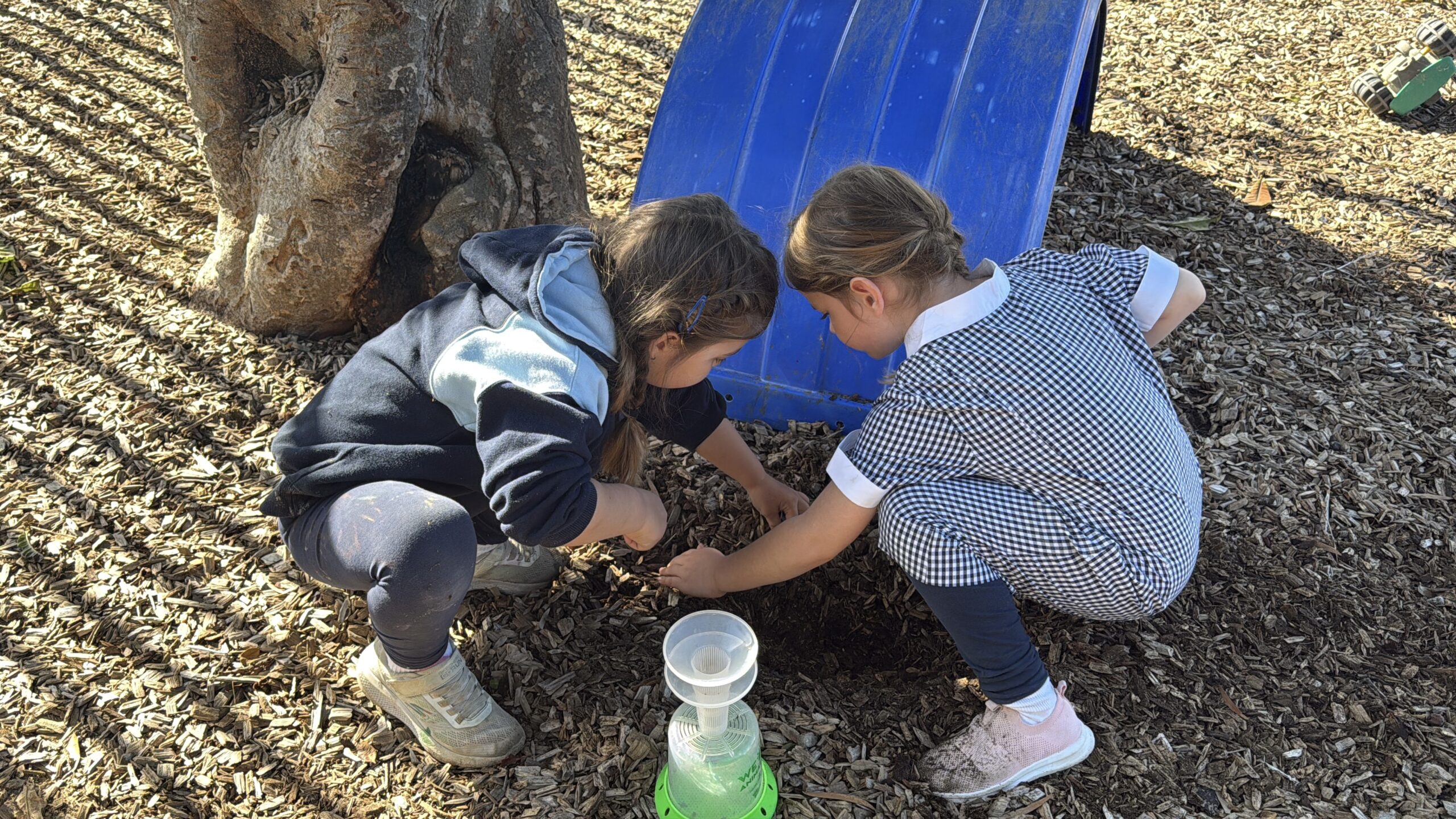
Our play-based, inquiry-driven curriculum supports holistic development through inclusive practices, sustained shared thinking, and meaningful engagement with nature. We value a strength-based view of children, prioritise critical reflection, and create responsive learning environments that inspire curiosity, creativity, and collaboration.
As co-learners, we walk alongside children on their unique learning journeys, ensuring every child feels valued, respected, and included.
Find out more about our goals and our focus in our philosophy statement.
When your child can start preschool
Your child is entitled to access 4 terms (1 year) of government preschool in the year before they start school.
Children who turn 4 years old:
- before 1 May, can start preschool at the beginning of the year
- between 1 May to 31 October, can start preschool in term 3 (mid-year intake)
- after 31 October, can start preschool at the start of the following year.
Regardless of whether your child starts at the beginning of the year, or through a mid-year intake they will attend 4 terms of preschool.
If you’re unsure about the best time for your child to start preschool or feel your child may benefit from starting preschool later, talk to us about your options.
Universal 3-year-old preschool will be rolled out in government preschools in stages from 2026 to 2032.
Universal 3-year-old preschool will be available at our preschool from 2027.
Early entry
Aboriginal children and children who are or have been in care are eligible for 15 hours of preschool a week after they turn 3, continuing until they start school.
If you have a child with a disability or additional needs, they might be able to start preschool earlier if there are places available. Talk to us if this applies to you. Early entry to preschool does not guarantee early entry to school.
Step 1: Book a tour and contact our educators
Please contact us on 8726 6261 to discuss your child’s enrolment with us, book a tour of our preschool and school, and meet our educators.
Step 2: Registration of interest
Submit a preschool registration of interest form (PDF 173 KB) to express your desire to enrol your child. This is not an enrolment but an application process to secure a place. You can also contact us for a paper form.
Step 3: Documentation
Provide the following documents:
- a certified copy of the child’s birth certificate or passport
- the child’s current immunisation certificate
- a copy of the residency visa for non-Australian residents
- recent proof of address, such as a current utility bill or a lease agreement.
Step 4: Placement and confirmation
Priority is given to children living within the local catchment area. You will be notified of your child’s placement by the end of Term 3.
Aboriginal children and children in care have priority access and do not need to participate in the major enrolment intake.
Step 5: Transition
Prior to beginning their preschool year, children will be offered transition sessions in the term before.
What to bring
Here’s a checklist to help you prepare for preschool days:
-
named backpack
-
piece of fruit, healthy snack and lunch
-
drink bottle with water
-
sun-safe hat (for days when the UV is 3 or above)
-
spare clothes
-
appropriate shoes for play (we love messy and water play).
Note: Preschool children are not required to wear the school uniform, but many families choose to for convenience. Uniform items are available at Hip Pocket in Mount Gambier.
Playgroup
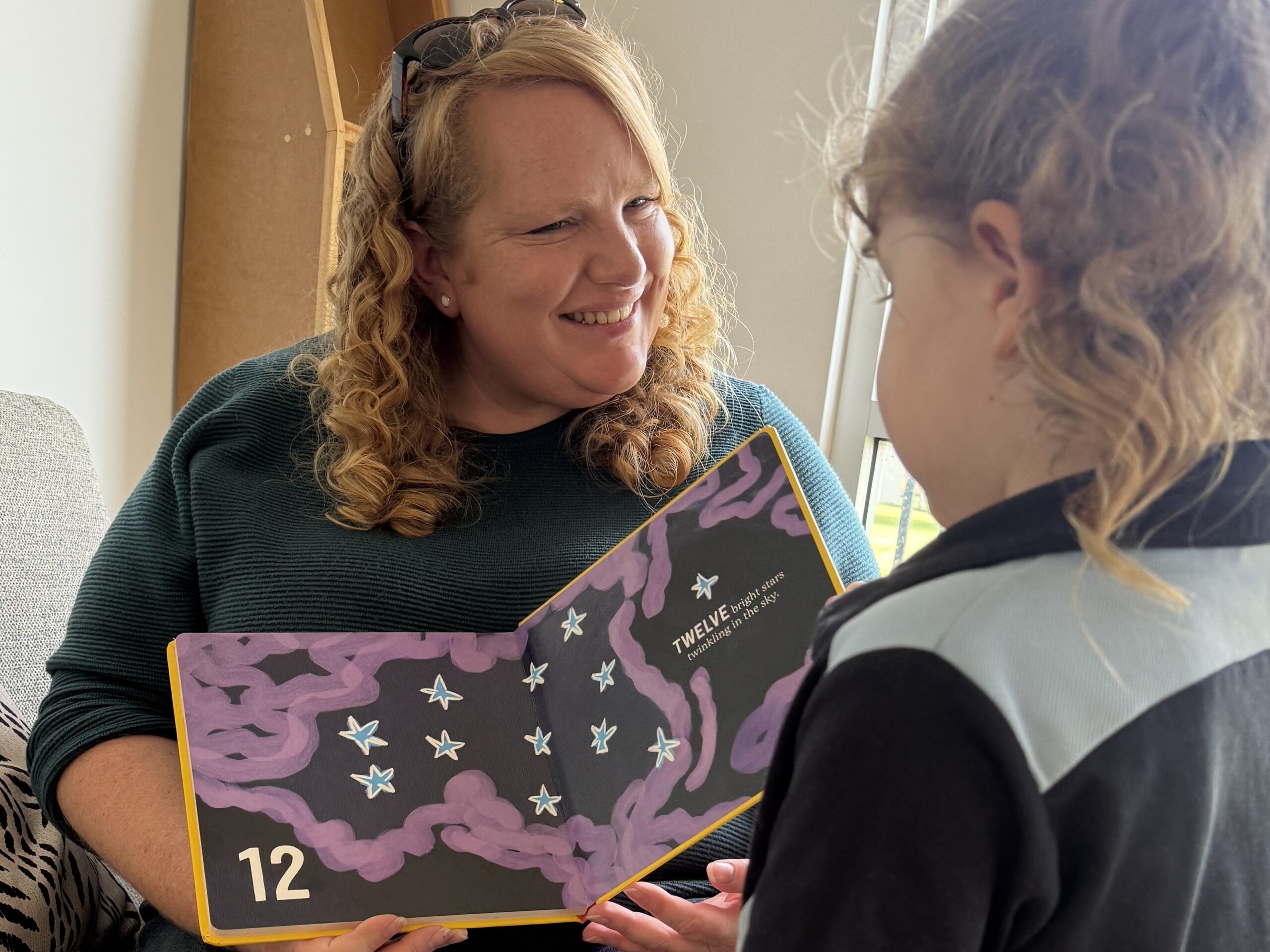
Moorak Playgroup offers a welcoming and supportive introduction to our preschool and school community. It helps children and families develop a sense of belonging and familiarity with the preschool environment through play.
Run by our educators, playgroup encourages playful learning, social interaction, and fun for children from birth to school age, along with their families.
When: Fridays, 9.00am to 11.00am
Cost: $2.00 per family per week
What to bring: a piece of fruit and a water bottle for your child
We also have a closed Facebook group for current families, where we share updates and organise events. Please ask to join or contact us for more information.
Parenting resources and support
Several early childhood parenting resources are available to help your child learn and grow right from the start.
- Raising Literacy Australia supports families to read, talk, sing and play with their children from birth, with access to book recommendations, reading packs and resources.
- Mum’s Grapevine offers advice for fathers to encourage reading together with their child.
- Parenting SA has free parenting factsheets, videos and upcoming seminars on many parenting topics.
- Positive Parenting program has free seminars, workshops and one-on-one sessions for parents of children aged 3 to 12 years.
- Learning with your child (GreatStart) gives parents everyday learning ideas and activities to help build their child’s maths and language skills.
- Raising Children Network provides up-to-date, evidence-based, scientifically validated information about raising children and caring for yourself as a parent or carer.
- Australian Physical Activity and Exercise Guidelines offers evidence-based recommendations on how much physical activity young children should engage in daily to support their health and development.
See parent support and advice for more resources.